










The automotive industry stands at a fascinating crossroads where timeless craftsmanship meets cutting-edge technology. According to McKinsey’s automotive report, electric vehicle sales surged by 35% globally, reshaping how manufacturers approach design and engineering. This transformation brings exciting opportunities for both classic car enthusiasts and tech-forward consumers.
But what does this mean for the future of driving? As autonomous features become standard and sustainable materials revolutionize manufacturing, the industry balances respect for automotive heritage with bold innovation.
Additional reading : Revamp Your Classic Car: A Guide to Seamless Modern Tech Upgrades Within UK Regulations
Electric Revolution: How EVs Are Reshaping Vehicle Design
The automotive industry is witnessing its most dramatic design transformation since the invention of the internal combustion engine. Electric vehicles aren’t simply traditional cars with batteries—they’re fundamentally reimagining vehicle architecture from the ground up.
Without the constraints of massive engines, exhaust systems, and complex transmissions, designers now have unprecedented freedom. The result? Spacious, minimalist interiors that prioritize passenger comfort over mechanical components. Tesla’s Model S pioneered this approach, but now manufacturers like Lucid Air are pushing boundaries even further with lounge-like cabins.
Also to see : Top Electric Cars Perfect for Long-Distance Commuting in the UK: Your Ultimate Guide
This architectural revolution extends to exterior design as well. The absence of traditional grilles allows for sleeker, more aerodynamic profiles. Many EVs feature closed front fascias and smooth underbodies that optimize airflow, directly translating to extended range.
Perhaps most intriguingly, the battery placement—typically along the vehicle floor—creates a lower center of gravity. This fundamental shift enables designers to experiment with proportions that were previously impossible, resulting in vehicles that are simultaneously more stable and visually distinctive than their gasoline-powered predecessors. Furthermore, Continue reading the article to discover how today’s automotive landscape bridges past and future.
Autonomous Technology: The Road Ahead for Self-Driving Cars
The automotive industry stands at a revolutionary crossroads where autonomous driving technology is reshaping not just how we travel, but how we design vehicles themselves. Current self-driving capabilities span five distinct levels of automation, from basic driver assistance to full autonomy, with most production vehicles today operating at Level 2 or 3.
These technological advances are fundamentally transforming vehicle interiors. As steering wheels become optional and drivers transition to passengers, automotive designers are reimagining cabin layouts with flexible seating configurations, enhanced entertainment systems, and workspace-oriented features. The traditional forward-facing cockpit design is giving way to lounge-style arrangements that prioritize comfort and connectivity.
Major manufacturers are investing billions in sensor technologies, artificial intelligence, and vehicle-to-infrastructure communication systems. These innovations promise safer roads and more efficient transportation networks, while simultaneously creating opportunities for entirely new vehicle categories that blur the lines between personal transport and mobile living spaces.
Key Trends Defining Contemporary Car Manufacturing
The automotive industry stands at a transformative crossroads, driven by technological breakthroughs and shifting consumer expectations. Today’s manufacturers are reimagining every aspect of vehicle production to meet the demands of an increasingly connected and environmentally conscious world.
- Sustainability initiatives now dominate production strategies, with manufacturers like BMW targeting carbon-neutral factories by 2030 and Ford investing $50 billion in electric vehicle development through 2026.
- Connected vehicle technology transforms cars into mobile data centers, enabling over-the-air updates, predictive maintenance, and seamless integration with smart city infrastructure.
- Mass personalization allows customers to configure vehicles with unprecedented detail, from custom interior materials to personalized software interfaces that adapt to individual driving preferences.
- Shared mobility solutions influence design priorities, with manufacturers developing purpose-built vehicles for ride-sharing and subscription services rather than traditional ownership models.
- Advanced materials revolutionize vehicle construction, including carbon fiber composites, aluminum space frames, and bio-based plastics that reduce weight while maintaining structural integrity.
These converging trends are reshaping not just individual vehicles, but entire manufacturing ecosystems. Companies that successfully integrate these innovations position themselves for long-term market leadership in an industry experiencing its most significant transformation since the assembly line’s invention.
Future Vision: What Awaits the Automotive Landscape
The automotive industry stands on the brink of its most transformative decade since the invention of the internal combustion engine. By 2030, we’ll witness a fundamental shift in how vehicles are designed, powered, and integrated into our daily lives.
Electric vehicles will dominate new car sales in most developed markets, but the real revolution lies in battery technology. Solid-state batteries promise charging times under 10 minutes and ranges exceeding 600 miles. Meanwhile, hydrogen fuel cells are gaining traction for commercial vehicles and long-haul transportation.
Autonomous driving technology will mature beyond current capabilities. Level 4 automation will become standard in urban environments by 2035, fundamentally changing car ownership patterns. Vehicle-as-a-Service models will flourish, particularly in cities where shared autonomous fleets reduce the need for private ownership.
The environmental challenge extends beyond electrification. Manufacturers are embracing circular economy principles, designing vehicles for complete recyclability. Bio-based materials and 3D printing will revolutionize production methods, enabling local manufacturing and reducing supply chain emissions.
Your Questions About Automotive Evolution
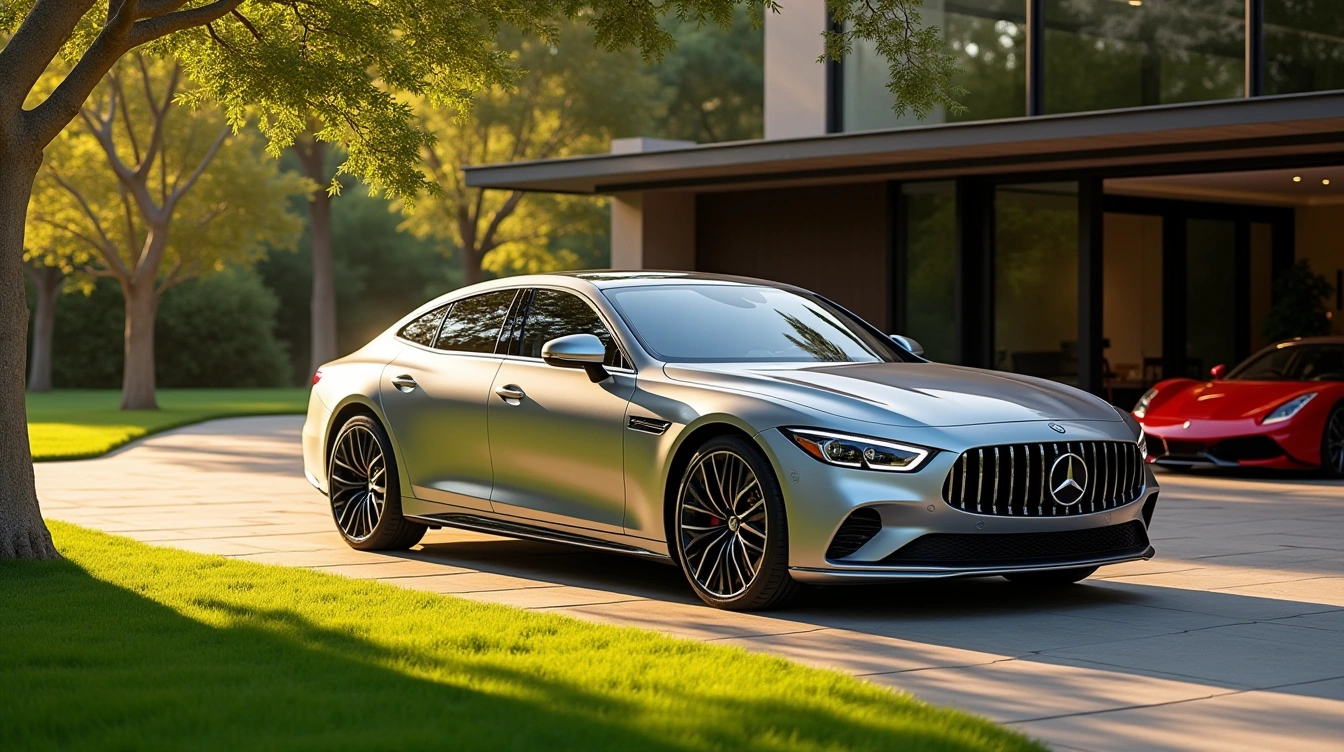
What are the latest trends in automotive design and technology?
Minimalist interiors dominate modern designs, featuring digital dashboards and sustainable materials. Advanced driver assistance systems, wireless charging, and biometric access are becoming standard across mainstream vehicles.
How are electric vehicles changing the car industry?
EVs are reshaping manufacturing processes and supply chains. Traditional automakers invest billions in battery technology while new players disrupt established market dynamics with innovative approaches.
Which classic car models are making a comeback?
The Ford Bronco, Chevrolet Blazer, and Volkswagen ID.Buzz represent successful heritage revivals. These models blend nostalgic design elements with modern performance and environmental consciousness.
What will cars look like in the next 10 years?
Expect fully autonomous capabilities, transparent displays, and morphing exteriors that adapt to driving conditions. Subscription-based ownership models will likely replace traditional purchasing for many consumers.
How is autonomous driving technology affecting car development?
Self-driving capabilities are revolutionizing interior layouts, eliminating traditional controls. Manufacturers prioritize sensor integration and computational power over conventional performance metrics like horsepower.